Building Predictability Into Neighborhood Food Retail

FoodBridge makes neighborhood food retailers more predictable so households and institutions can access and finance food with confidence.
What We Observed
Across Lagos and similar markets, neighborhood food retail runs on instinct. Many retailers restock based on experience and guesswork, while households buy food without clear price stability. Institutions also struggle to distribute food at scale without friction.
- Food exists.
- Retailers exists.
- Demand exists.
- But coordination is fragmented.
When restocking is instinct-driven and demand is invisible, stockouts happen. Prices swing. Access becomes unstable. That unpredictability affects everyone.
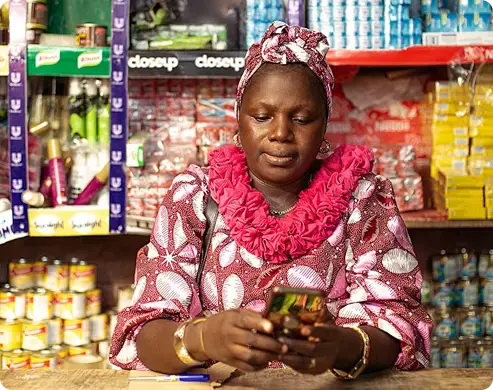
What Changes When Coordination Improves
FoodBridge introduces a structure where guesswork once dominated, while strengthening how retailers operate.
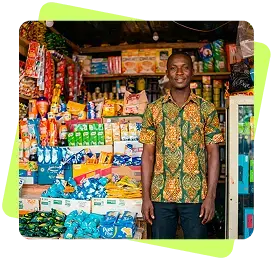
Instead of retailers operating blindly, we help route structured demand through them
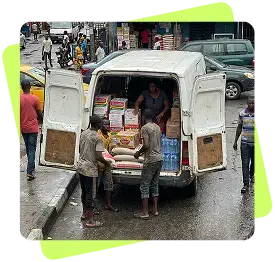
Instead of fragmented supply cycles, we introduce coordination into restocking.
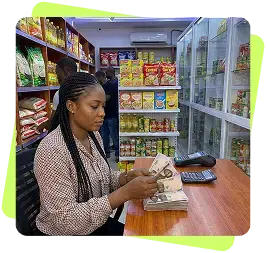
Instead of informal credit and reactive purchasing, we enable structured financing options for eligible buyers.
The goal is not control. The goal is predictability.
What We Are (And What We Are Not)
Neighborhood retailers remain the backbone of food access in local communities.
FoodBridge works alongside them, introducing structure into how demand is routed, how restocking is coordinated, and how purchases are financed.
Retailers continue serving their communities while we strengthen the system around them. When coordination improves, predictability improves, and access becomes more reliable.

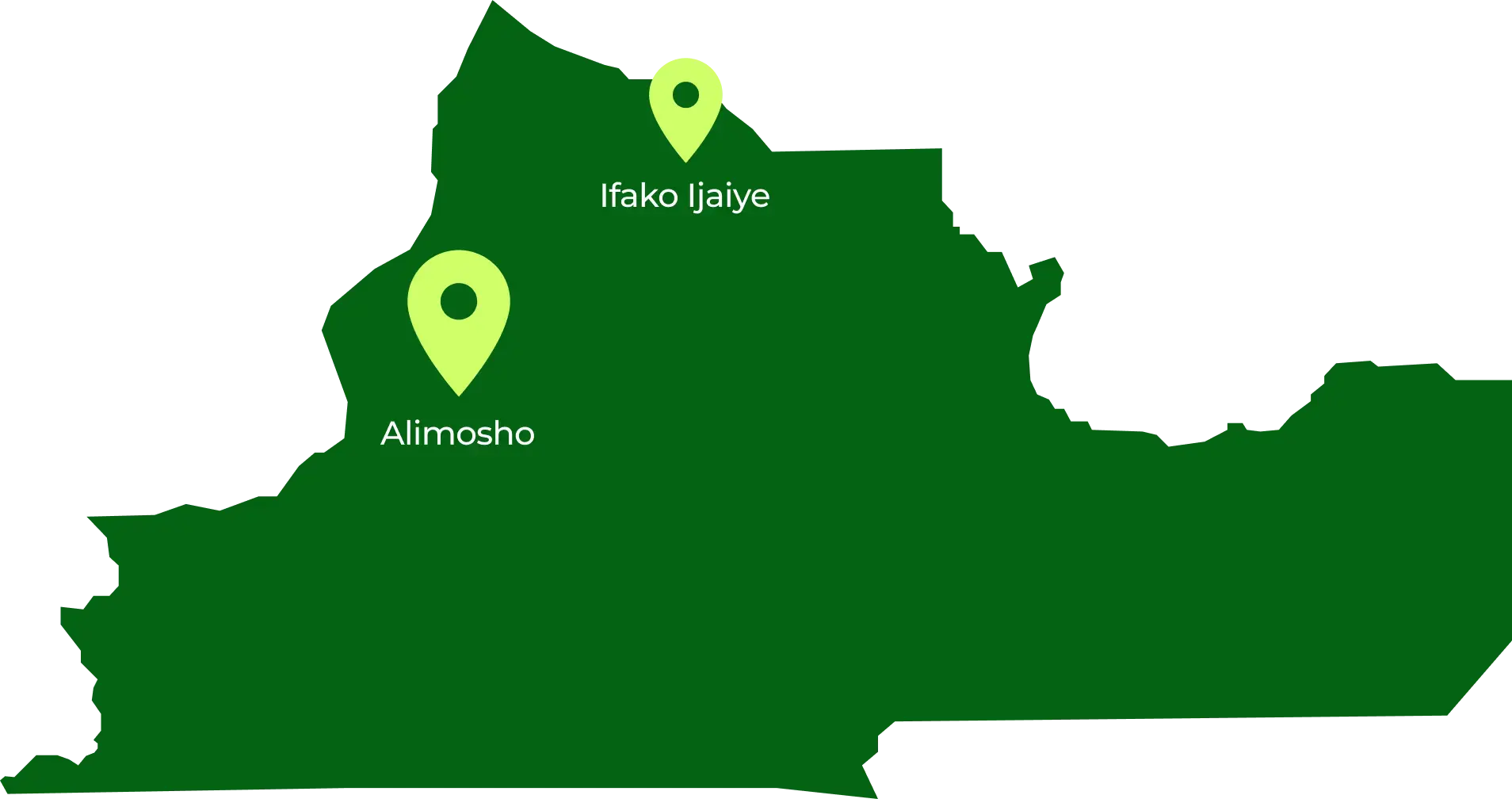
Where We're Building
Predictability is not built by spreading thin. We are focused on building density in specific Lagos mainland communities, including Alimosho, Ota / Sango, and Ifako Ijaiye.
By going deeper in selected areas, we are able to coordinate demand more effectively, improve fulfillment consistency, and introduce structure gradually.
We believe steady, structured growth creates stronger systems than rapid expansion without depth.
The Direction
As neighborhood retail becomes more predictable:
- Households can access food without last-minute volatility.
- Institutions can distribute food with greater transparency.
- Retailers can stock with more confidence.
- Financial institutions can evaluate food financing with clearer signals.
We are building toward that system step by step, not by replacing what already exists, but by improving how it works.

 All Bundles
 All products
 Noodles
 Vegetable Oil
 Palm Oil
 Seasoning Cubes
 Rice
Rice Beans
Beans Semovita
 Wheat
Wheat Spaghetti
 Garri
Garri Sardines
 Poundo Yam
 Milk
Milk Salt
Salt Custard
 Sugar
Sugar Spaghettini
 Flour
Flour Macaroni
 Spices
 Butter
 Beverages
 Cereal